
Installation day
What installation day actually looks like
Knowing what happens on install day removes most of the anxiety from this project. Here is the rhythm of a professional window installation, so you can plan your day.
Before we arrive
Clear a working path to each window and take down curtains, blinds, and anything on the sills. Move furniture about a metre back from each opening. We bring drop sheets for floors and furniture, but the clearing is on you, and doing it the night before keeps the day moving.
The removal and install rhythm
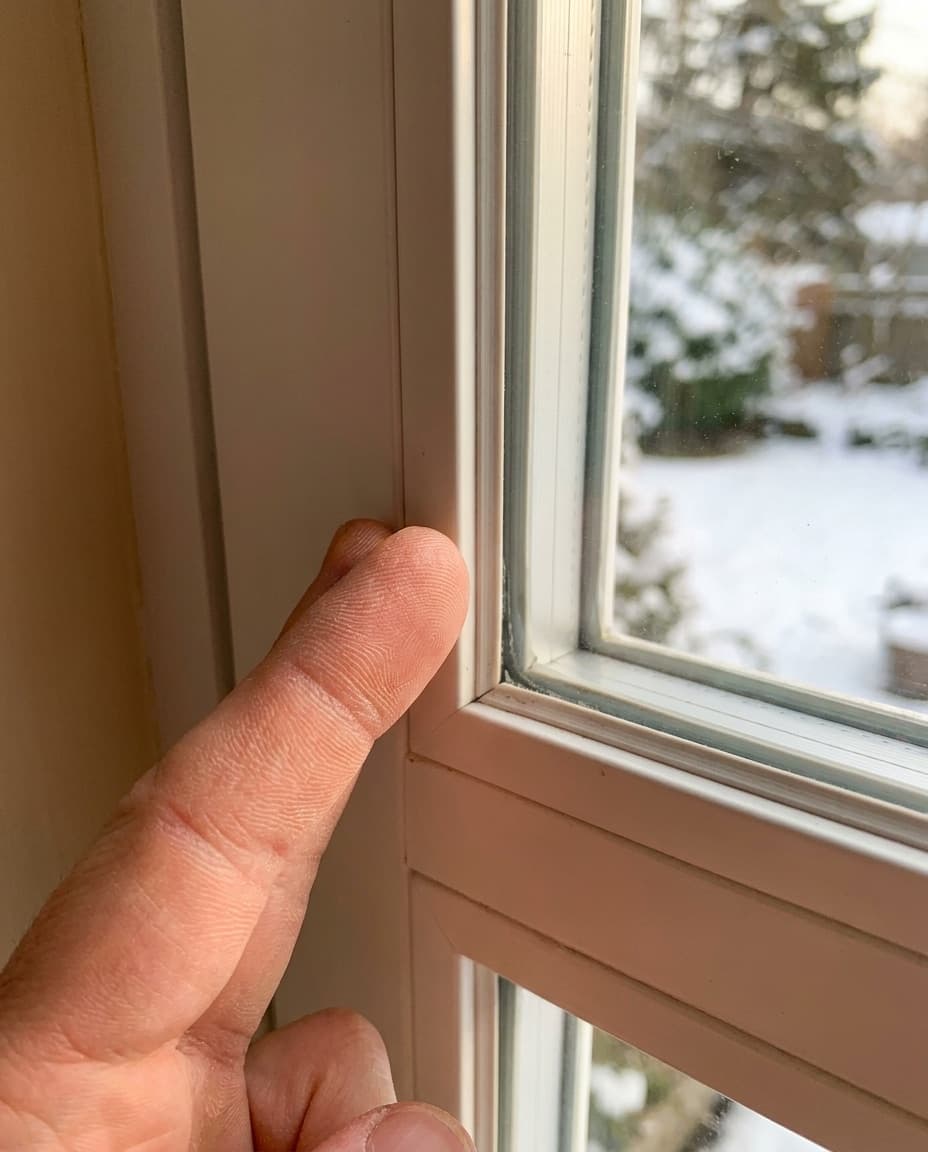
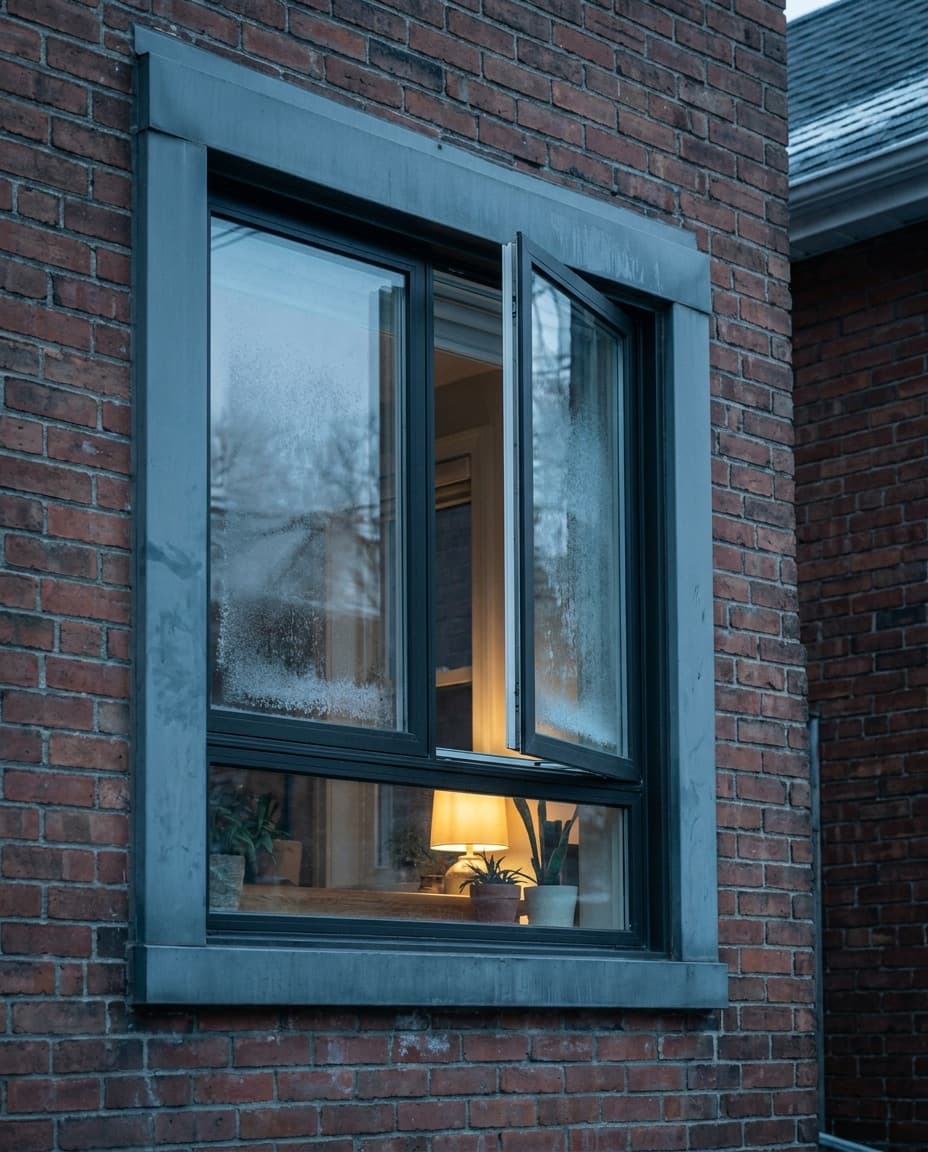
We work one opening at a time. The old window comes out, the opening is inspected and prepped, and the new unit goes in, levelled, shimmed, and screwed into place. The perimeter gap gets filled with low-expansion foam insulation, which is where most of the draft-proofing actually happens. Exterior caulking and capping seal the weather side, interior trim finishes the room side. A standard opening is exposed to the outdoors for less than an hour, which is why winter installs are routine. Expect us to complete somewhere between four and eight standard openings per day, depending on floor height and how the removals go.
Before we leave
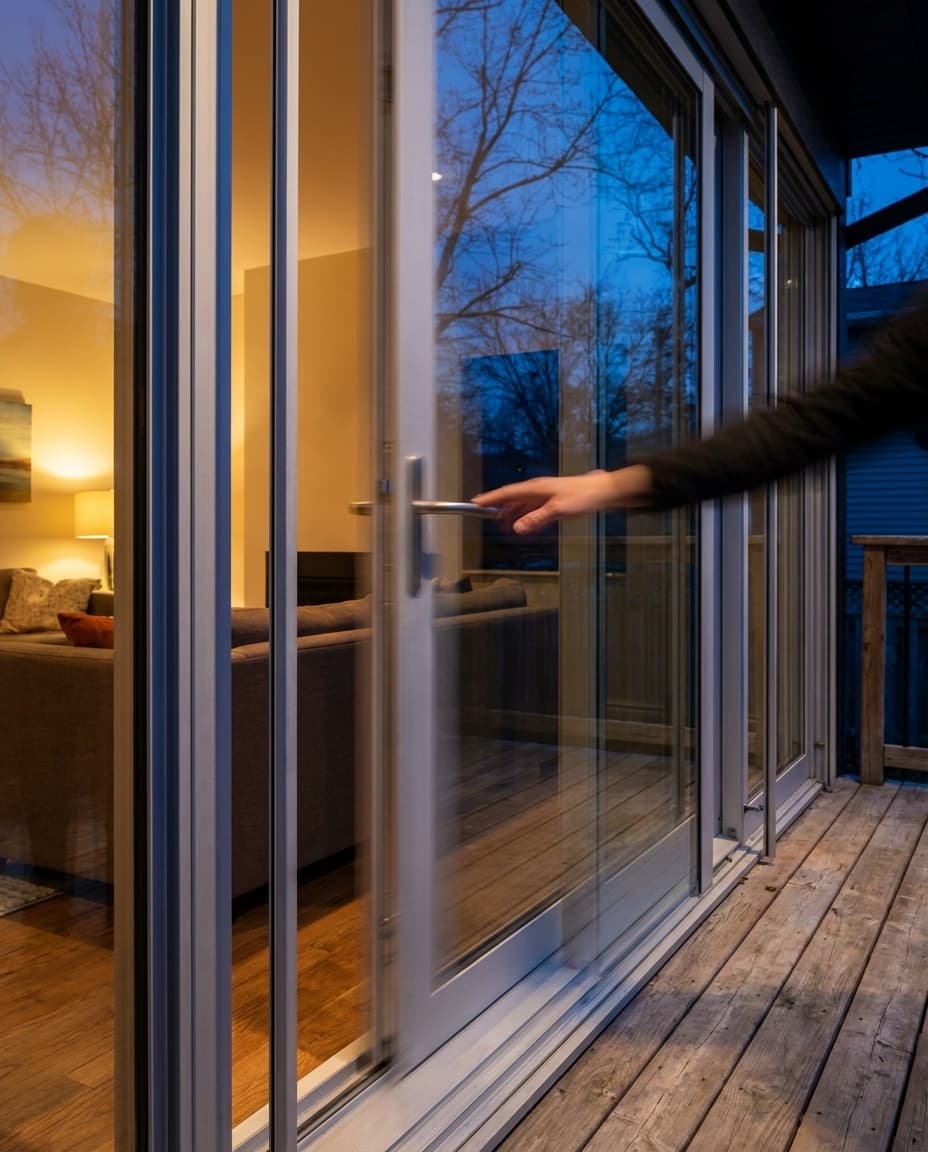
We walk the house with you. Operate every window yourself: open, close, lock, tilt. Check the caulking lines outside and the trim inside. We confirm old windows and debris are loaded for haul-away and screens are installed, and hand you the warranty documents and product labels you will want for any rebate claim.
What can go sideways, and how we handle it
Old houses hide surprises. The most common is rot in the framing behind a window that looked fine from inside. We document it, show you photos, quote the repair as a written change order, and continue once you approve. What we never do is a surprise cash demand mid-job or rot covered up and sealed in.